-
Cúrsaí
Cúrsaí
Tá roghnú cúrsa léinn ar cheann de na cinntí is tábhachtaí dá ndéanfaidh tú choíche! Féach na cúrsaí atá againn anseo agus an méid a deir mic léinn agus léachtóirí faoi na cúrsaí sin a bhfuil spéis agatsa iontu.
-
Saol na hOllscoile
Saol na hOllscoile
Chuile bhliain roghnaíonn os cionn 4,000 duine Ollscoil na Gaillimhe mar chéad rogha. Faigh amach faoin saol in Ollscoil na Gaillimhe anseo.
-
Eolas Fúinn
Eolas faoi Ollscoil na Gaillimhe
Bí ar an eolas faoin Ollscoil seo agus na fáthanna a bhfuil sí chomh speisialta sin – an stair thar a bheith spéisiúil a bhaineann leis an Ollscoil agus an nuacht is déanaí agus na hócáidí atá ar na bacáin.
-
Coláistí & Scoileanna
Coláistí & Scoileanna
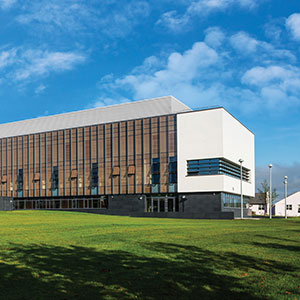
Tá aitheantas idirnáisiúnta bainte amach ag Ollscoil na Gaillimhe mar ollscoil atá á treorú ag an taighde agus rún daingean aici teagasc den chéad scoth a chur ar fáil i réimsí éagsúla saineolais.
-
Taighde

Nithe Fónta á gCruthú as Smaointe Úra
Tugann ár dtaighdeoirí aghaidh ar chuid de na dúshláin is práinní san 21ú Céad.
-
Gnó & Tionscal
Tacaíocht do Thaighde Úrnua in Ollscoil na Gaillimhe
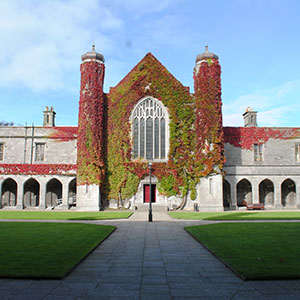
Déanaimid deiseanna tráchtála a chuardach agus a chothú don phobal taighde in Ollscoil na Gaillimhe, mar aon le comhpháirtíocht tionsclaíochta a chothú.
-
Alumni, Cairde & Lucht Tacaíochta
Alumni, Cairde & Lucht Tacaíochta
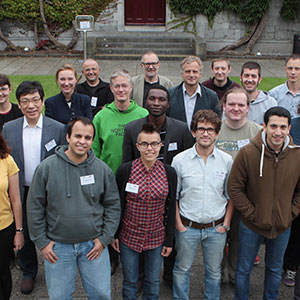
Tá os cionn 90,000 céimí de chuid Ollscoil na Gaillimhe ann ar fud an domhain. Déan nasc linn agus beidh teacht agat ar an gcomhphobal sin ar líne.
-
Rannpháirtíocht Pobail
Rannpháirtíocht sa Phobal
In Ollscoil na Gaillimhe, creidimid go n-éireoidh níos fearr leat más féidir leat an méid a fhoghlaimíonn tú a chur i bhfeidhm i do shaol féin. Is mar gheall air sin go bhfuil béim mhór ar shocrúcháin oibre nó ar thionscadail phobail i gcuid mhór dár gcúrsaí.








Latest University News
25 March 2026
Invasive Noble false widow now among the most common spiders in Irish cities
Nationwide survey shows invasive spider thriving in urban centres
The invasive Noble false widow spider (Steatoda nobilis) is now one of the most common urban spiders in Ireland, according to a new study by researchers at the University of Galway.
Researchers surveyed urban spider populations across the Republic of Ireland to identify the most common species and the environmental factors influencing their diversity and abundance.
The study found that the Noble false widow and the long-established missing sector orb weaver (Zygiella x-notata) accounted for more than 80% of urban spider populations. Remarkably, the Noble false widow is now well established even in counties such as Mayo and Sligo, where it was previously unrecorded.
The findings, been published in Ecology and Evolution, highlight Ireland’s understudied urban habitats, as well as the potential negative impact of the Noble false widow on native spider species
Brandon Collier, doctoral researcher at University of Galway and first author of the study, said: “This research provides a framework for studying a largely overlooked habitat for invasive and medically important species. As human populations increase year after year, urban areas grow with them. Understanding the impact this has on native species in Ireland provides essential knowledge for preventing and managing invasions in more fragile environments like Australia, New Zealand, and Japan.”
Rapid global trade has allowed more spider species to spread beyond their native ranges to become cosmopolitan and, occasionally, invasive. False widows and their relatives, the black widows, have led this trend, with implications for human and environmental health.
While the strong venom potency and medical importance of certain widow spiders is well documented, their ecological impact has been harder to determine.
To better understand urban spider populations, researchers developed a visual survey framework that could be applied internationally to monitor invasive species.
The scientists are calling for the Noble false widow spider to be officially recognised as an invasive species under the UN Convention on Biological Diversity’s guidelines because of its rapid spread and potential impact on native spiders.
The research was carried out by established and postgraduate scientists from the University of Galway, with funding through the University’s Hardiman Scholarship held by Brandon Collier.
Mr Collier added: “Now more than ever, we need to evaluate the threat of potentially invasive spider species and formulate a global action plan to prevent negative impacts on sensitive native species. Collaborating with international research groups has allowed us to begin the dialogue, but implementing policy changes in affected regions is essential to preventing future wide-spread invasions.”
Dr Michel Dugon, Head of the Venom Systems Lab at University of Galway and senior author of the study, said: “The populations of Noble false widows have exploded throughout Western Europe in the past two decades, and the species has been recently observed in New Zealand, South America, the US, and North Africa. Our next step is to understand the physiological adaptations of the species to better predict other areas at risk of invasion.”
Dayle Leonard, doctoral researcher at University of Galway and co-author of the study, said: “This research highlights a threat to biodiversity that is largely ignored. We were able to show how though Irish weather varies greatly, spider diversity is more affected by the seasons, food, and, potentially, the presence of the invasive Noble false widow spider. There are global implications with the spread of the Noble false widow across continents, so providing insight into its dominance and its impact in urban environments is vital.”
The full study in Ecology and Evolution is available at https://doi.org/10.1002/ece3.73193.
Ends
25 March 2026
University of Galway Tax Clinic and Galway credit unions launch free tax support partnership
The University of Galway Tax Clinic, Claddagh Credit Union and St Columba’s Credit Union have announced a new partnership that will provide credit union members with free, confidential tax support.
Launched at the University’s J.E. Cairnes School of Business and Economics, the initiative combines the University of Galway’s tax expertise with the community networks of Claddagh and St Columba’s Credit Unions.
The partnership is designed to provide credit union members with accessible, confidential tax guidance, supporting improved tax literacy and financial confidence within local communities.
Colm Cleary, Chair of St Columba’s Credit Union, said: “This partnership means we can connect our members with expert, confidential tax support. It’s about building confidence and helping people understand their rights and responsibilities, which is what community finance is all about.”
Louise Shields, CEO of Claddagh Credit Union, said: “Our members trust us to support their financial wellbeing, and being able to offer free tax support through the Tax Clinic strengthens that relationship and shows what we can achieve when community organisations work together.”
The University of Galway Tax Clinic was established in 2020 and is Ireland's first free tax clinic. Originally founded to support University students, it has since expanded through community partnerships to assist vulnerable members of society. The clinic works with a number of community partners, including an ongoing collaboration with Galway Public Libraries, and serves clients referred through COPE Galway and Longford Women's Link.
The clinic also serves as a training ground for the next generation of student tax advisors, who gain hands-on experience under the guidance of professional tax advisors.
Professor Emer Mulligan, Director of the Tax Clinic, said: “This collaboration strengthens our collective ability to serve the community – we can now bring expert tax support directly to the people who engage with and trust their credit unions.”
Ends
24 March 2026
Pláinéad eile timpeall ar réalta óg aimsithe ag mac léinn réalteolaíochta
Tá an dara pláinéad aimsithe ag foireann idirnáisiúnta réalteolaithe, ar fionnachtain cheannródaíoch í sa chóras céanna inar aimsigh siad pláinéad eile anuraidh.
Aimsíodh an pláinéad óg, ar tugadh WISPIT 2c air, agus é ag céim luath dá fhoirmiú sa diosca timpeall ar réalta óg. Meastar go bhfuil sé tuairim agus 5 mhilliún bliain d’aois agus an chuma air go bhfuil sé deich n-oiread chomh mór le hIúpatar.
Tá an réalta, WISPIT 2, lonnaithe i réaltbhuíon an Iolair, ar réaltbhuíon shuntasach mheánchiorclach é a bhíonn le feiceáil sa leathsféar thuaidh i míonna an tsamhraidh (Iúil go Samhain) ar Bhealach na Bó Finne.
Ba í Chloe Lawlor, mac léinn PhD in Ionad na Réalteolaíochta, Ollscoil na Gaillimhe, a stiúir an staidéar, i gcomhar leis an taighdeoir iardhochtúireachta Guillaume Bourdarot in Institiúid Max Planck don Fhisic Eachtardhomhanda in Garching na Gearmáine, agus leis an mac léinn PhD Richelle van Capelleveen i Réadlann Leiden na hÍsiltíre.
Ciallaíonn an fhionnachtain mhór seo i réimse na réalteolaíochta nach bhfuil WISPIT 2 ach ar an dara córas ilphláinéad óg is eol dúinn (agus atá fós i mbun a fhoirmithe). Tá cuma an Ghrianchórais óig ar WISPIT 2 sa chaoi is go bhfuil dhá ollphláinéad gáis leabaithe ina dhiosca ilfháinneach deannaigh. Tá dhá phláinéad san áireamh sa chóras seo: an pláinéad nuadheimhnithe seo WISPIT 2c, agus an pláinéad WISPIT 2b a d’aimsigh an fhoireann taighde chéanna anuraidh (faoi stiúir Richelle van Capelleveen, Réadlann Leiden agus an Dr Laird Close, Ollscoil Arizona).
Ollphláinéad gáis an-óg is ea an pláinéad nua, bunaithe ar a theocht agus ar a gha ón speictream atmaisféir. Tá an pláinéad seo dhá oiread níos mó ná WISPIT 2b a aimsíodh roimhe seo agus tá sé ar fithis ceithre huaire níos cóngaraí timpeall a réalta óstaigh, rud a chiallaíonn go bhfuil sé an-deacair é a bhrath le teileascóip ar domhan.
Foilsíodh an staidéar san iris Astrophysical Journal Letters anseo.
Aimsíodh an dara pláinéad seo le Teileascóp Ollmhór na Réadlainne Eorpaí sa Leathsféar Theas i nGaineamhlach Atacama na Sile. Ach roinnt teileascóp a cheangal le chéile chun gníomhú mar aon uirlis ollmhór amháin, bhí an fhoireann taighde in ann faire ar réigiúin an-chóngarach don réalta.
D’aimsigh an fhoireann gás aonocsaíde carbóin, ceimiceán a bhíonn le fáil go hiondúil san atmaisféar ar ollphláinéid óga. Fágann aonocsaíd charbóin lorg láidir sainiúil ceimiceach ar shonraí teileascóip, rud a chuireann an fhianaise ríthábhachtach ar fáil a theastaíonn le deimhniú gurb ann don phláinéad.
Dúirt Chloe Lawlor, mac léinn PhD in Ionad na Réalteolaíochta, Scoil na nEolaíochtaí Nádúrtha, Ollscoil na Gaillimhe: "Tar éis WISPIT 2b a aimsiú i dtosach, a raibh baint agam leis freisin, chreideamar go bhféadfadh réad eile a bheith sa chóras. Ar dtús, ní rabhamar cinnte an pláinéad a bhí ann, nó meall an-mhór deannaigh. Ní dhearnadh aon mhoill tabhairt faoi bhreithnithe breise, leis an Trasnamhéadar Teileascóip Ollmhóir, socrú dochreidte inar féidir roinnt teileascóp a cheangal chun teileascóp mór fíorúil a dhéanamh. Mar gheall air seo, bhíomar in ann rud ar a dtugaimid speictream a thógáil, is é sin lorg ceimiceán, a léiríonn na dúile agus na móilíní in atmaisféar réada.
"Ceann de na loirg is tábhachtaí a mbímid ag faire amach dó in ollphláinéid óga ná aonocsaíd charbóin. Nuair a chonaiceamar go soiléir é sna sonraí, thuigeamar ansin go raibh rud éigin suntasach againn. Ba dheacair é a chreidiúint. Níor cheap mé gur mise a d’aimseodh an dara pláinéad sa chóras. Nuair a sheol mé an speictream chuig mo stiúrthóir, an Dr Christian Ginski, ba mhór an croitheadh a baineadh asainn, agus tar éis tuilleadh scrúdaithe a dhéanamh, dheimhnigh sé go raibh pláinéad eile aimsithe agam!
"Is saotharlann thábhachtach a bheas in WISPIT 2 le staidéar a dhéanamh ar fhoirmiú pláinéad."
Chun an pláinéad ceilte a aimsiú, d’úsáid an fhoireann taighde Trasnamhéadar Teileascóip Ollmhóir (VLTI) na Réadlainne Eorpaí sa Leathsféar Theas (ESO), rud a ghlac íomhá den réad agus a d’éascaigh an chéad staidéar ar a atmaisféar. Bhain an fhoireann úsáid shonrach as an uirlis GRAVITY+ a uasghrádaíodh le deireanas, rud a éascaíonn an solas a thabhairt le chéile ó gach ceann de na ceithre theileascóp ocht méadar de chuid an ESO. Bhí an modh dúshlánach seo, a d’úsáid uirlisí ceannródaíocha, ina chuid thábhachtach ó thaobh an phláinéid nua a aimsiú, mar gheall go bhfuil an réalta na mílte uair níos gile ná comhartha solais an phláinéid.
Dúirt an tOllamh Frances Fahy, Stiúrthóir Institiúid Uí Riain, Ollscoil na Gaillimhe: “Éacht ar leith is ea an pláinéad WISPIT 2c a aimsiú agus léiríonn sé an taighde réaltfhisice den chéad scoth atá ar bun in Ollscoil na Gaillimhe. Tá Institiúid Uí Riain mórtasach as tacú le taighde a sháraíonn teorainneacha na fionnachtana eolaíochta. Tréaslaím ó chroí leis an taighdeoir PhD Chloe Lawlor as ucht an dul chun cinn seo agus leis an Dr Christian Ginski as a cheannaireacht agus a dhíograis don taighde réalteolaíochta. Téann fionnachtana mar seo i gcion ar dhaoine agus spreagann siad glúin úr réalteolaithe.
Cuireann an fhionnachtain nua seo deis as an ngnáth ar fáil d’eolaithe staidéar a dhéanamh ar an gcaoi a bhfoirmíonn agus a bhforbraíonn ollphlainéid, agus tugann sí léargas ar na luathphróisis trínar foirmíodh an Domhan.
Dúirt an Dr Christian Ginski, Léachtóir i Scoil na nEolaíochtaí Nádúrtha, Ollscoil na Gaillimhe: "Is ionann pláinéid óga a aimsiú ina bhfoirmiú mar seo agus go leor leor oibre a rinne eolaithe agus innealtóirí araon. Nuair a thosaigh mé amach i mo ghairm bheatha féin, ní raibh aimsithe ach cúpla céad eiseapláinéad (le hais na mílte is eol dúinn inniu) agus ba dhúshlán dochreidte a bheadh ann íomhá dhíreach a thógáil d’aon phláinéad. Is deacair dom a shamhlú go bhfuilimid anois ag an staid gur féidir linn súil a chaitheamh ar na pláinéid de réir mar a bhíonn siad ag foirmiú. Is mór an onóir dom a bheith ag obair le scata eolaithe óga iontacha a bhfuil an cumas acu an leas is fearr a bhaint as na háiseanna breathnaitheacha atá ar fáil anois dúinn.”
I gcomhthráth le foilsiú an taighde, tá grianghraf de WISPIT 2c agus WISPIT 2b agus iad ag foirmiú timpeall na réalta óige WISPIT 2, curtha ar fáil ag an Réadlann Eorpach sa Leathsféar Theas (ESO) – an eagraíocht idirnáisiúnta réalteolaíochta is iomráití ar domhan – anseo
Thug Institiúid Uí Riain in Ollscoil na Gaillimhe tacaíocht don staidéar.
Críoch